


If you're interested in learning about the process behind creating PVC baggage tags, there are a number of technological and industrial procedures involved. These tags are incredibly useful and practical for travelers, so it's worth taking a closer look at what goes into their production. Let's dive in and explore the steps involved in their creation.
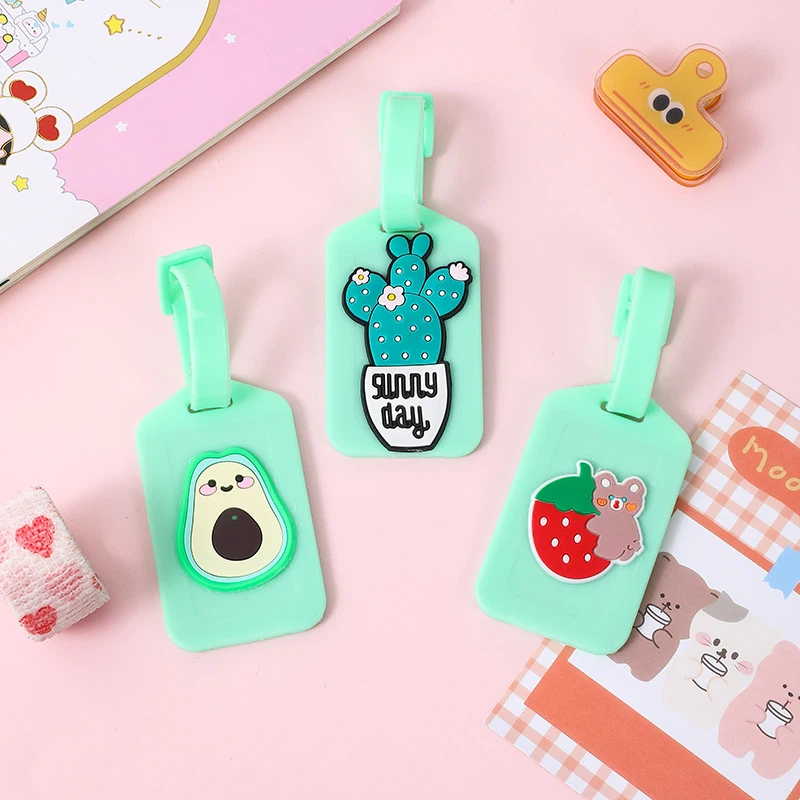
Before we can start making PVC luggage tags, it's important to gather all the necessary basic ingredients. Typically, these tags are made out of polyvinyl chloride (PVC). In order to increase their flexibility and overall durability, we need to take PVC particles and heat them up until they melt. At this point, we can then add in a variety of different additives, such as stabilizers and plasticizers, as well as some color to make them more visually appealing. By taking these steps, we can create luggage tags that are both functional and aesthetically pleasing.

To start the production of PVC luggage tags, the first step is to prepare the necessary raw ingredients. The main component is PVC, which needs to be melted down and mixed with colors and other chemicals such as plasticizers and stabilizers to improve flexibility and durability. This will result in a high-quality PVC material that can be molded into the desired shape and design. By carefully selecting the right ingredients and following the manufacturing process, PVC luggage tags can be produced efficiently and effectively.
The mold is used for injecting the melted PVC to create luggage tags according to the specific sizes and forms requested by clients.
After the initial production process, the PVC luggage tag goes through a crucial stage of chilling and hardening. The tag must be cooled at a specific temperature for a considerable length of time to reach the desired level of stability and firmness. This step is crucial for ensuring that the final product meets the necessary quality standards and can withstand wear and tear during usage.
Creating the hanging framework and labeling the color of the luggage tag requires the next steps of punching and scratching. After the product is molded, it is necessary to cut or punch it in order to form the desired framework and indicate the color on the label.
In order to provide customers with the best baggage tags possible, it's important that we pay attention to even the smallest details. That's why we offer customization options such as logo and contact information printing. By allowing customers to personalize their tags, they can ensure that their luggage stands out while also promoting their business or personal brand.
Additionally, we understand that the presentation of the tags is just as important as their functionality. That's why we offer embellishments such as carving to make the PVC material stand out and look more attractive. These little touches can make a big difference in the overall impression of the tag.
At the end of the day, our goal is to provide our customers with high-quality, personalized baggage tags that offer both practicality and style. By paying attention to every aspect of the design and production process, we can ensure that we meet and exceed our customers' expectations.

To ensure the production of high-quality PVC baggage tags that meet our customers' expectations, it is essential to carefully manage various procedures involved in the manufacturing process. These procedures include the preparation of raw materials, PVC injection molding, cooling and hardening, scraping and punching, as well as printing and carving. Each step plays a crucial role in creating the final product.
The first stage of production involves the careful preparation of raw materials. This step ensures that the PVC used in the manufacturing process is of the highest quality. Once the materials are ready, they undergo injection molding, where the PVC is injected into molds that give shape to the baggage tags. This process requires precision and expertise to achieve accurate and consistent results.
After the injection molding, the tags go through a cooling and hardening phase. This allows the PVC to solidify and attain its final shape and durability. Once the tags have hardened, they are carefully inspected for any imperfections. Any flaws or excess material are then removed through scraping and punching techniques, ensuring that only flawless pieces proceed to the next stage.
The next step involves printing and carving, where necessary details such as customer information, logos, or unique designs are added to the baggage tags. This customization process allows us to create personalized and attractive products that meet our customers' specific requirements.
Throughout the entire production process, quality control measures are implemented to ensure consistency and excellence. By closely managing these procedures, we can successfully manufacture high-quality PVC baggage tags that not only meet but exceed our customers' expectations.
In summary, the production process for PVC baggage tags involves various meticulous steps, ranging from the preparation of raw materials to printing and carving. By effectively managing each procedure, we can deliver top-notch products that satisfy our customers' needs and demands.
Hot Tags: soft pvc luggage tag, China soft pvc luggage tag manufacturers, suppliers, factory
